By admin
Discover the multifaceted benefits of home health care and how it transforms the lives of patients and their families.
What is Home Health Care?
Definition and Scope
Home health care provides medical care at home for individuals recovering from an illness, surgery, or managing chronic conditions. Services range from professional nursing to therapies, meeting both short-term and long-term care needs. Home-based care offers dignity and comfort, emphasizing personalized care tailored to individual needs, improving quality of life while avoiding institutionalization.
Care is provided by nurses, therapists, and aides, who assess and adjust care plans according to the patient’s condition. The advantage of home care includes comprehensive support without the stress of hospital visits.
Services Offered in Home Health Care
Home health care includes skilled nursing, physical, occupational, and speech therapies, and personal care assistance for activities like bathing and dressing. It ensures medical and emotional support, promoting recovery. Nutritional support and medication management further enhance care, empowering patients and families to manage conditions effectively.
Differences Between Home Health Care and Nursing Home Care
Home health care offers flexible, personalized care at home, maintaining independence and comfort. Nursing homes provide 24-hour care in a structured setting for patients with severe health issues. Home care is cost-effective for short-term care and maintains family and community connections, while nursing homes offer comprehensive supervision for intensive health needs.
How Does Home Health Care Improve Patient Quality of Life?
Personalized Care Plans
Customized care plans address specific health goals, allowing for patient-centric interventions and adjustments to treatment. This approach supports independent recovery without disrupting patient lifestyle, enhancing quality of life. Regular updates to these care plans can further align treatments with patient progress and evolving needs, ensuring comprehensive and dynamic care.
Emotional and Mental Health Benefits
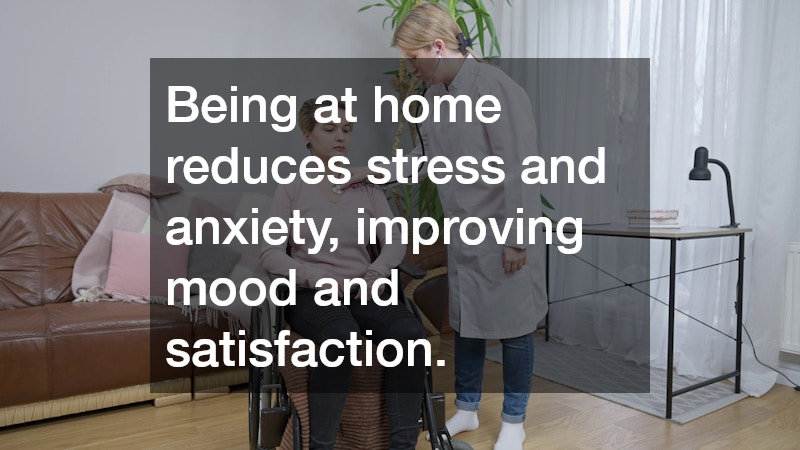
Being at home reduces stress and anxiety, improving mood and satisfaction. Therapy and counseling services address mental health concerns, reinforcing resilience and independence. Patients benefit from familiar surroundings, encouraging open communication and reduced emotional strain on families.
Is Home Health Care Cost-Effective?
Comparing Costs with Traditional Hospital Care
Home health care is more affordable than hospital stays, meeting essential needs without hospital overhead costs. Insurance often covers home care, reducing out-of-pocket expenses and preventing costly hospital readmissions.
Long-term Financial Benefits
Preventive care reduces the need for expensive treatments, ensuring long-term savings. Home care’s focus on consistent monitoring lowers emergency care demands, promoting fiscal stability for patients and supporting the healthcare system.
What Are the Challenges Faced in Home Health Care?
Staffing and Availability of Qualified Professionals
Recruiting skilled professionals is a challenge, especially in underserved areas. Continuous professional development and technology integration can improve access to qualified care. Innovative strategies are required to attract and retain talent in these regions.
Ensuring Quality and Safety Standards
Maintaining high standards in diverse home environments requires consistent monitoring, patient education, and professional accountability to ensure safe and effective care. Collaboration among healthcare professionals, patients, and families enhances the quality of home care services. Regular training sessions and workshops can also contribute significantly to maintaining quality care.
Adapting to Technological Changes
Implementing new technologies like telehealth requires staff training. Though challenging, embracing technology fosters innovation and personalization in care. Patient education on technology usability ensures successful integration and improves care delivery.
How Can Families Benefit from Home Health Care Services?
Support and Respite for Caregivers
Professional home care provides essential support for family caregivers, reducing stress and enhancing caregiving relationships. This assistance can significantly alleviate the emotional and physical demands placed on caregivers, allowing them more time for self-care and personal responsibilities.
Involving Family in the Care Process
Family involvement in care plans strengthens decision-making and trust, facilitating better outcomes and cohesion. By actively participating in care discussions and decisions, family members gain a deeper understanding of the patient’s needs and contribute to more personalized care solutions.
Enhancing Family Connection and Communication
Home care fosters strong family bonds, encouraging open communication and joint participation in care, supporting a positive healing environment. These interactions promote a united front, ensuring the care recipient feels supported and valued by their loved ones.
Home health care offers a comprehensive approach to patient and family well-being, presenting a promising solution for dynamic care needs in today’s world. Through personalized and collaborative care, it enhances patients’ quality of life and fosters supportive communities.